
The Impact Goes Beyond Answer Rates
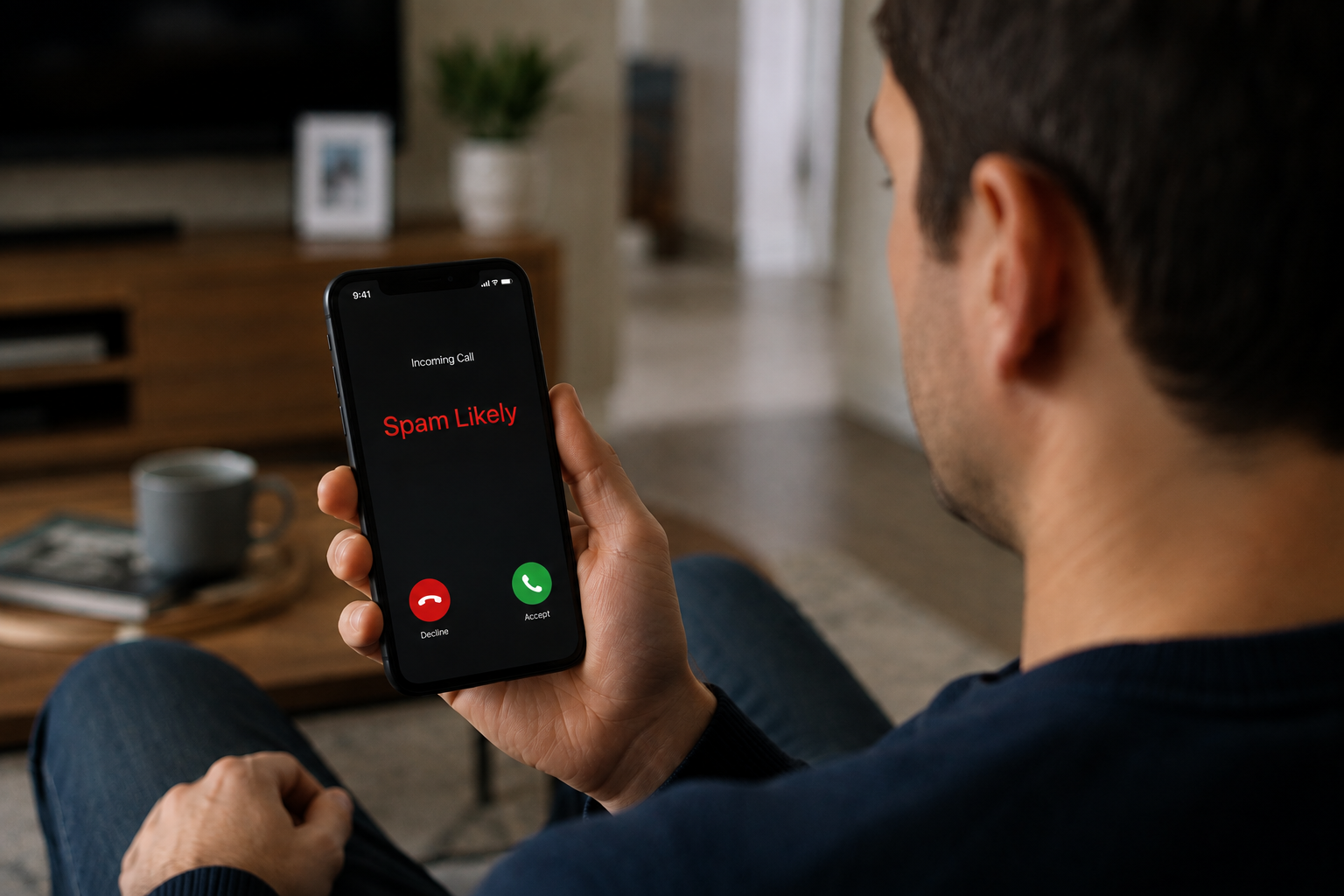
Most dealerships recognize that a “Spam Likely” label can lower answer rates. What many don’t realize is that the impact extends far beyond a single missed phone call.
Every outbound call represents an opportunity to engage a customer, schedule an appointment, or build a lasting relationship. When legitimate dealership calls are labeled as spam, those opportunities disappear before the conversation even begins.
The hidden cost of “Spam Likely” affects customer trust, employee productivity, marketing performance, and ultimately, dealership revenue.
It Costs More Than One Missed Conversation
A customer who ignores one phone call may not seem like a major concern. However, dealerships make hundreds or even thousands of outbound calls each month.
When a significant percentage of those calls go unanswered because customers see a spam warning, the impact grows quickly.
Spam labels can lead to:
- Fewer conversations with qualified leads
- Missed service appointment confirmations
- Delayed follow-up with interested buyers
- Lower customer engagement
Over time, these missed connections create measurable business losses.
Your Marketing Investment Loses Value
Dealerships spend thousands of dollars generating leads through digital advertising, manufacturer programs, social media, and third-party marketplaces.
Every lead is valuable.
If your team cannot reach those customers because outbound calls appear as “Spam Likely,” the return on your marketing investment decreases.
Generating leads is only part of the process. Converting them requires successful communication.
When calls fail to reach customers, acquisition costs rise while conversion rates decline.
BDC Teams Become Less Efficient
Spam labels also affect internal productivity.
When customers do not answer, BDC representatives spend more time making repeat call attempts instead of having meaningful conversations.
That often results in:
- More voicemails
- More follow-up attempts
- Longer lead response cycles
- Lower appointment-setting efficiency
The issue is not the quality of your team. It may be that your calls never had a fair opportunity to be answered.
Customer Trust Begins Before the Conversation
Customers make decisions in seconds.
An unfamiliar phone number creates hesitation. A “Spam Likely” warning creates immediate doubt.
Even loyal customers may ignore calls they believe could be fraudulent.
Every unanswered call weakens your dealership’s ability to build trust and maintain consistent communication. Over time, customers may begin relying solely on email or text because they no longer expect phone calls from your dealership to be legitimate.
Lost Revenue Often Goes Unnoticed
One of the biggest challenges with spam labels is that many dealerships never connect declining performance to call reputation.
A sales opportunity may appear to go cold.
A service appointment might never get confirmed.
A customer could choose another dealership after missing an important follow-up call.
Each event looks unrelated. Together, they create a hidden revenue problem that often goes unnoticed.
Protecting Your Calls Protects Your Business
Fortunately, dealerships can reduce the risk of spam labels by taking a proactive approach to outbound communication.
Best practices include:
- Register outbound phone numbers
- Verify caller identity
- Use branded caller ID
- Monitor phone number reputation
- Review answer rate trends regularly
Solutions like Dealer Identity help dealerships improve call deliverability by strengthening caller identity and protecting outbound numbers from unnecessary spam labeling.
Every Call Represents an Opportunity
A “Spam Likely” label does more than reduce answer rates. It affects customer trust, limits team productivity, weakens marketing performance, and quietly impacts dealership revenue.
Protecting your outbound calls means protecting every opportunity your dealership creates. When customers recognize and trust your calls, your team can focus on what matters most: building relationships and growing the business.
