
The Relationship Between Caller Trust and Dealership Revenue
Every dealership focuses on generating more leads, scheduling more appointments, and increasing revenue. While many factors influence those goals, one often goes overlooked: caller trust.
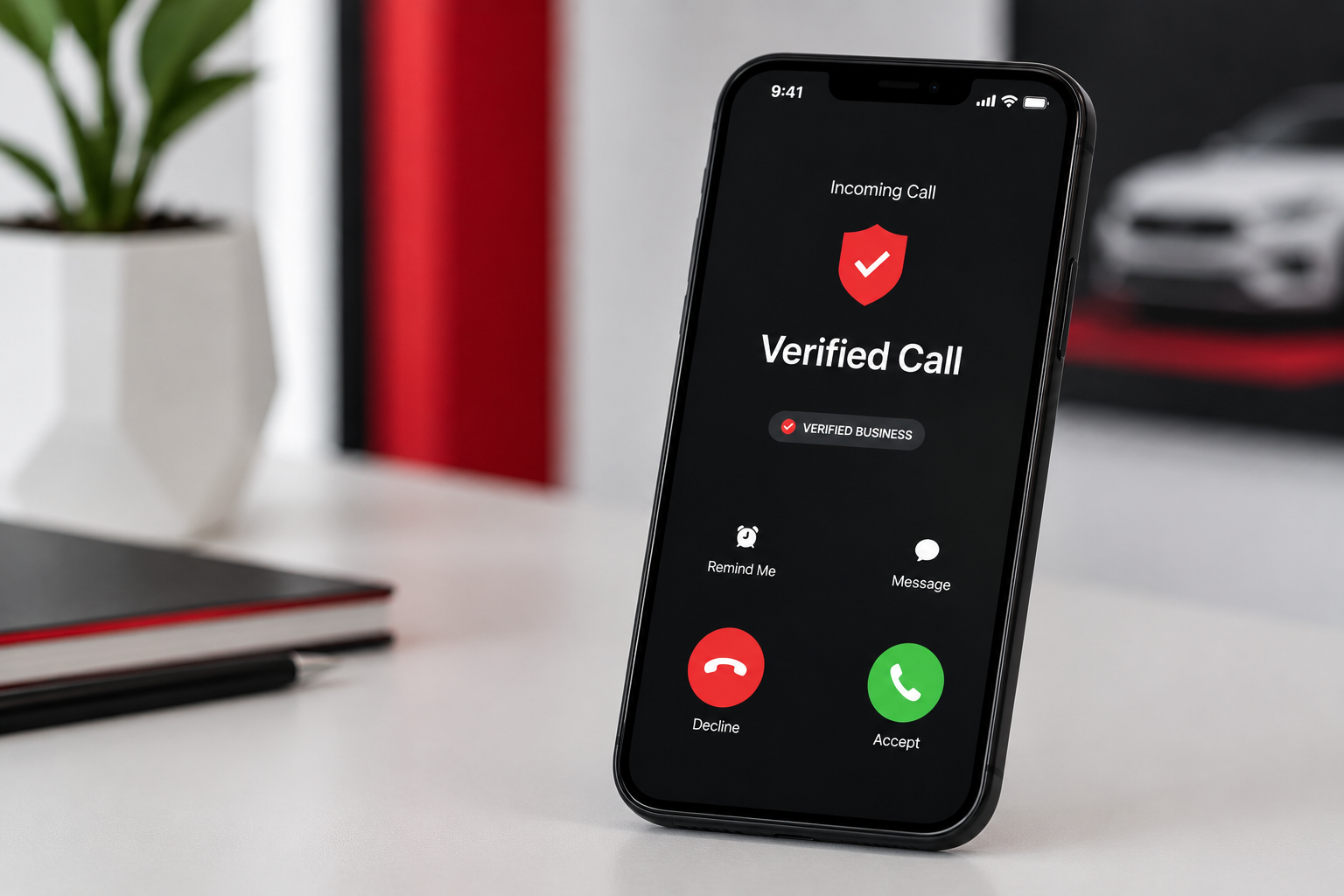
Before a customer answers the phone, they make a quick decision based on what they see on their screen. If they recognize and trust the caller, they are more likely to engage. If they see an unknown number or a spam warning, they often ignore the call. That single moment can have a direct impact on dealership revenue.
Why Caller Trust Matters
Trust influences every customer interaction. It affects whether a customer answers a call, responds to a follow-up, or schedules an appointment.
Today, customers receive more spam calls than ever before. As a result, they have become more selective about which calls they answer. Caller ID often serves as the deciding factor.
When customers recognize your dealership’s name, they feel more confident about engaging. That confidence creates opportunities for meaningful conversations that support sales, service, and customer retention.
The Connection Between Trust and Customer Response
Customer response rates play a major role in dealership performance. Every unanswered call creates a missed opportunity to move a customer forward in the buying or service process.
Trusted outbound communication helps dealerships:
- Increase answer rates
- Improve lead follow-up success
- Confirm more appointments
- Strengthen customer relationships
- Create more opportunities for engagement
When customers trust the source of the call, they are more likely to answer and participate in the conversation.
How Caller Trust Impacts Revenue Growth
Revenue growth depends on consistent customer engagement. Dealerships generate revenue by connecting with customers, scheduling appointments, and maintaining ongoing relationships.
Poor caller trust creates barriers throughout that process.
If customers ignore sales calls, leads may go cold. If service reminders go unanswered, appointments may be missed. If follow-up communication fails, retention efforts become less effective.
Over time, these communication gaps affect:
- Vehicle sales opportunities
- Service department revenue
- Customer retention rates
- BDC productivity
- Overall dealership performance
Stronger caller trust helps remove these barriers and creates a more reliable path to revenue growth.
Building Trust Through Recognized Caller Identity
One of the most effective ways to improve caller trust is through recognized caller identity. When customers see your dealership name displayed during an inbound call, they immediately know who is contacting them.
This transparency reduces uncertainty and encourages engagement.
Branded calling solutions help dealerships establish a professional and recognizable presence. Instead of appearing as an unknown number, your calls reinforce your dealership’s identity and reputation.
The Role of Call Reputation Management
Caller trust extends beyond what customers see. Carriers also evaluate the reputation of your phone numbers.
If carriers detect suspicious activity or poor engagement patterns, they may label calls as spam or block them entirely. This reduces deliverability and limits customer interactions.
Call reputation management helps dealerships maintain strong relationships with carriers while protecting outbound communication. Verified caller identity, phone number registration, and consistent calling practices all contribute to a stronger reputation.
Turning Trusted Calls Into Business Growth
Every outbound call represents a chance to build trust and generate results. Dealerships that invest in caller trust create stronger customer experiences and improve communication across every department.
Solutions like Dealer Identity help dealerships protect outbound calls, strengthen caller identity, and improve answer rates. As trust increases, engagement improves. As engagement improves, revenue opportunities grow.
In today’s communication environment, caller trust is more than a customer experience advantage. It is a business growth strategy.
